
Vocal Freedom Learning Center
Learn About the Singing Voice
Table of Contents
Physics of Sound
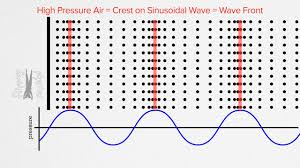 Sound is the result of vibrations propagating through a medium, typically air. These vibrations create pressure waves, which consist of alternating regions of compression and rarefaction. Our ears detect these fluctuations in air pressure and interpret them as sound.
In physics, a wave is a disturbance that transfers energy through a medium or space. There are two main types of waves: mechanical waves, which require a medium to propagate (such as sound waves in air or water), and electromagnetic waves, which can travel through a vacuum (such as light or radio waves). Sound is a longitudinal mechanical wave, meaning the oscillations of particles in the medium occur parallel to the direction of wave propagation.
In the context of singing, the way these waves are generated, manipulated, and projected determines vocal quality, pitch stability, and resonance. The physics of singing involves the principles of frequency, harmonics, resonance, and acoustic impedance, all of which influence vocal efficiency and tonal clarity. Understanding these elements helps singers optimize their vocal technique to produce richer, more resonant tones with greater control.
Theoretical Models of the Human Voice
The human voice can be understood through different models that describe how sound is generated and shaped within the vocal system. One of the most widely used models in voice science and speech synthesis is the Source-Filter Model.
The Source-Filter Model describes vocal sound production as a two-step process:
- Source: The vocal folds (or vocal cords) in the larynx generate a raw sound wave through vibration. The frequency of this vibration determines the fundamental pitch of the voice, while the harmonics provide richness and complexity.
- Filter: The vocal tract (comprising the throat, mouth, and nasal cavities) shapes the raw sound by selectively amplifying and attenuating certain frequencies. This process creates the unique timbre and vowel qualities of the voice.
Other models of the human voice extend or complement the Source-Filter Model:
- Aerodynamic Myoelastic Theory: This theory explains how vocal fold vibration is maintained through a balance of muscular tension, airflow, and the Bernoulli effect, which helps close the vocal folds after each cycle.
- Linear Predictive Coding (LPC): Used in speech processing, LPC models the vocal tract as a series of resonant tubes and estimates how sound waves are modified during speech.
- Nonlinear Dynamic Models: These models account for irregularities and chaotic behaviors in vocal fold vibrations, which can occur in singing techniques like growling or in disordered speech.
Understanding these models provides insight into vocal control, speech synthesis, and singing techniques, allowing vocalists and researchers to analyze and refine voice production effectively.
Harmonics and the Singing Voice
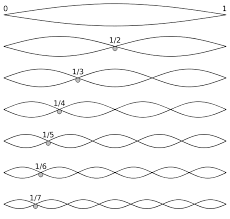 When a singer produces a note, the vocal folds oscillate at a fundamental frequency (F0), but they also generate a series of higher frequencies known as harmonics or overtones. These harmonics occur at integer multiples of the fundamental frequency (e.g., if F0 = 200 Hz, harmonics appear at 400 Hz, 600 Hz, etc.).
The relative strength of harmonics defines the timbre of a singer's voice. Classical singers often train to enhance specific harmonics for increased resonance, particularly in the singer's formant region (2.5 - 3.5 kHz), which allows their voice to project over an orchestra.
Harmonic Balancing for Vocal Tone
- Strong low harmonics → Darker, warmer tones (common in baritones and altos).
- Emphasized higher harmonics → Brighter, more piercing tones (common in sopranos and tenors).
- Controlled harmonic suppression → Used in soft singing for a purer, breathier tone.
Resonance and Formants
Resonance is the amplification and filtering of sound waves as they travel through the vocal tract. The vocal tract acts as a variable resonator, modifying frequencies based on its shape, which singers adjust by altering tongue placement, lip rounding, and laryngeal position.
Formants and Singing
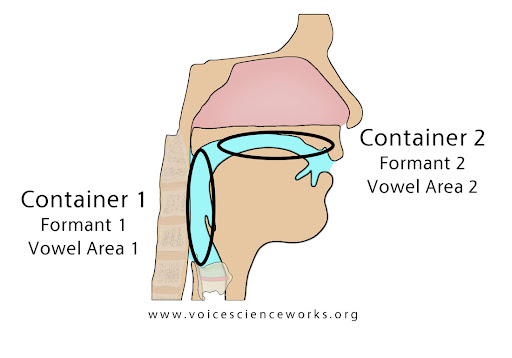 In vocal acoustics, the key resonant frequencies are called formants. These are peaks in the vocal spectrum that define vowel sounds and contribute to vocal color. The first two formants (F1 and F2) primarily shape vowel perception, while higher formants (F3–F5) influence tone and projection.
- F1 (First Formant): Affected by jaw and tongue height.
- F2 (Second Formant): Affected by tongue position (front vs. back vowels).
- F3–F5 (Higher Formants): Important for brightness, timbre, and the singer’s formant.
The Singer’s Formant
Professional classical singers often amplify a cluster of higher formants between 2.5 kHz and 3.5 kHz to achieve what is known as the singer’s formant, which allows their voice to cut through orchestral accompaniment. This formant boost is achieved through lowered laryngeal position, widened pharynx, and efficient breath control.
Acoustic Impedance and Vocal Efficiency
The concept of acoustic impedance refers to the interaction between airflow from the lungs and resistance at the vocal folds. Optimal singing technique requires a balance of subglottic pressure and supraglottic shaping to minimize vocal effort while maximizing efficiency.
- Too much airflow with little resistance → Results in a breathy tone and reduced efficiency.
- Too much resistance with insufficient airflow → Leads to vocal strain and fatigue.
- Balanced impedance → Enables optimal resonance and energy transfer, reducing strain while enhancing vocal power.
Practical Applications for Singers
Understanding these principles helps singers refine their vocal production:
- Using harmonics to modify timbre for different styles.
- Controlling formants to enhance vowel clarity and resonance.
- Adjusting resonance through vocal tract shaping for better projection.
- Managing airflow and impedance to sustain long phrases with minimal effort.
By combining scientific understanding with trained technique, singers can achieve efficient phonation, increased stamina, and a controlled, resonant voice suitable for various styles.
Human Phonation
Phonation is the process by which the vocal folds (or vocal cords) generate sound through vibratory movement. It results from the complex interaction between airflow from the lungs, subglottic pressure, muscular control of the larynx, and resonance in the vocal tract. Controlled phonation is essential for pitch control, vocal timbre, and dynamic range in singing.
The phonation process consists of three key phases:
- Onset – The initiation of vocal fold vibration, which can be coordinated (balanced airflow and adduction), breathy (excess airflow before full closure), or glottal (abrupt onset with firm closure).
- Sustained Phonation – The stable vibration of the vocal folds at a particular frequency, dependent on airflow, laryngeal adjustments, and resonance tuning.
- Offset – The termination of vocal fold vibration as airflow ceases or muscular control disengages.
Phonation efficiency is determined by the interaction of subglottic pressure (air pressure below the vocal folds) and laryngeal resistance. Too much pressure can lead to vocal strain, while too little results in weak or breathy tone production.
Anatomy of the Larynx
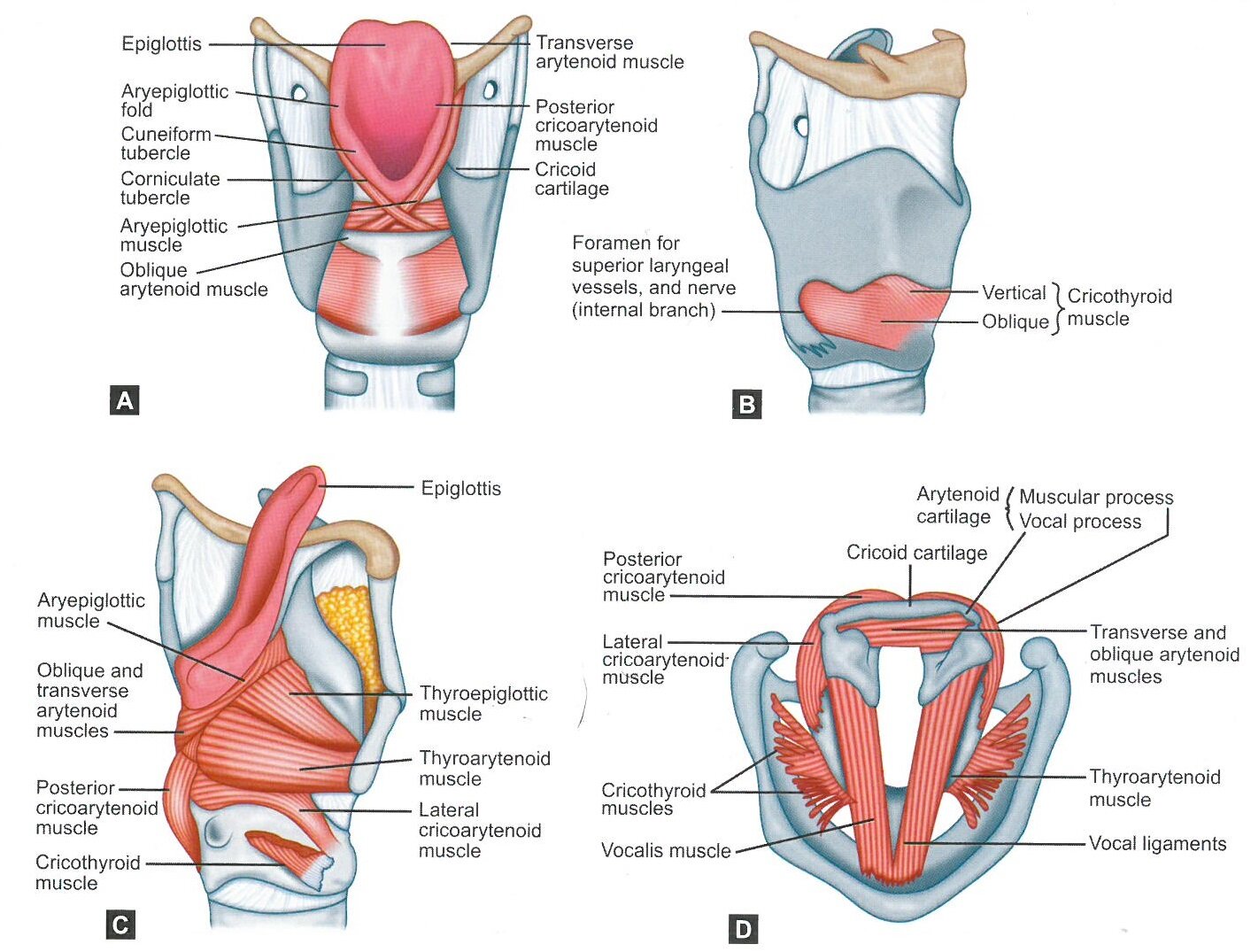 The larynx, commonly known as the voice box, is a cartilaginous structure located in the throat. It houses the vocal cords and plays a crucial role in breathing, phonation, and protecting the airway. The larynx is positioned between the pharynx and the trachea, and its structural components allow for precise control over vocal tone and pitch.
🔹 Key Structures of the Larynx:
- Vocal Cords (Vocal Folds): Two bands of tissue that vibrate to produce sound.
- Thyroid Cartilage: The largest laryngeal cartilage, commonly known as the Adam’s apple.
- Cricoid Cartilage: A ring-shaped structure that provides a stable foundation for the larynx.
- Arytenoid Cartilages: Small, paired cartilages that adjust vocal fold tension and position.
- Epiglottis: A leaf-shaped flap that prevents food and liquid from entering the airway during swallowing.
🔹 How the Larynx Controls Pitch and Tone:
Pitch is controlled by tension and length adjustments in the vocal cords, regulated by laryngeal muscles:
- ✅ Cricothyroid Muscle: Stretches and tenses the vocal folds, raising pitch.
- ✅ Thyroarytenoid Muscle: Shortens and thickens the vocal folds, lowering pitch.
- ✅ Lateral Cricoarytenoid & Interarytenoid Muscles: Bring the vocal folds together for phonation.
- ✅ Posterior Cricoarytenoid Muscle: Separates the vocal folds to allow for breathing.
The larynx also adjusts resonance and vowel shaping, influencing the timbre and power of the voice. Singers train to stabilize their larynx to ensure smooth register transitions and optimal resonance.
Vocal Cords
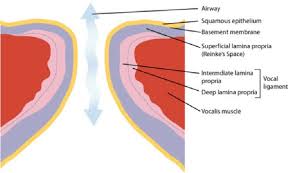 The vocal cords (vocal folds) are two flexible bands of muscular and ligamentous tissue located within the larynx. Their vibration produces the fundamental frequency of the voice. The structure of the vocal cords consists of three main layers:
- The Cover (Epithelium & Superficial Lamina Propria): The outermost flexible layer responsible for smooth oscillation.
- The Transition (Intermediate & Deep Lamina Propria): Provides elasticity and tensile strength for controlled vibration.
- The Body (Thyroarytenoid Muscle): The primary muscular layer responsible for tension regulation and fine pitch control.
Factors Influencing Pitch
Pitch is determined by vocal fold length, mass, and tension:
- Increased Tension: The cricothyroid muscle stretches the vocal folds, making them thinner and faster in vibration, which raises pitch.
- Increased Mass: Relaxing the folds (via the thyroarytenoid muscle) increases mass per unit length, lowering pitch.
- Vocal Fold Length: Longer folds generally produce lower fundamental frequencies, as seen in male voices compared to female voices.
Register Control in Singing
Different vocal registers arise from variations in vocal fold vibration patterns:
- Chest Voice (Modal Register): The vocal folds remain thick and fully engaged, producing a rich, resonant tone.
- Head Voice (Falsetto): The folds stretch and vibrate with only their thin edges, creating a lighter, breathier tone.
- Mixed Voice: A balanced coordination of chest and head voice, allowing for smooth register transitions.
- Vocal Fry: Low-frequency pulses resulting from loosely adducted vocal folds.
- Whistle Register: The highest register, where only a small portion of the vocal folds vibrates, producing a flute-like tone.
Vocal Cord Health and Longevity
Maintaining hydration, proper breath support, and balanced vocal fold closure is crucial for longevity and preventing issues such as nodules, polyps, or vocal fatigue. Singers must avoid excessive tension, dehydration, and prolonged vocal strain to sustain healthy phonation over time.
Breath Support
Proper breath support is essential for sustained phonation, vocal stability, and tone control. It relies on the coordinated function of several anatomical structures, including the diaphragm, intercostal muscles, abdominal muscles, and the larynx.
Anatomy of Breath Support
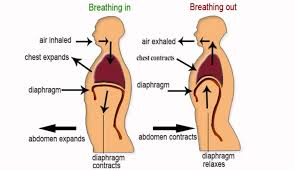 Breath support begins with the diaphragm, a dome-shaped muscle located beneath the lungs. During inhalation, the diaphragm contracts and moves downward, increasing lung capacity and allowing for a deeper breath. The intercostal muscles (muscles between the ribs) assist in expanding the ribcage, while the abdominal muscles regulate exhalation pressure. Proper engagement of these muscles ensures a steady and controlled airflow, which is necessary for consistent vocal production.
Techniques for Breath Support
- Diaphragmatic Breathing: Also called belly breathing, this technique involves expanding the abdomen during inhalation rather than lifting the chest. It provides better air control and prevents tension in the neck and shoulders.
- Appoggio Technique: Derived from Italian singing tradition, appoggio emphasizes controlled breath pressure by maintaining ribcage expansion and using gradual, engaged exhalation.
- Lip Trills & Sibilant Exercises: Practicing sustained lip trills ("brrr" sound) and hissing ("sss") sounds helps singers refine their airflow management and breath endurance.
- Slow & Controlled Exhalation: Exhaling on a controlled "ffff" or "sss" sound while timing the duration helps singers develop breath efficiency.
- Vowel & Consonant Coordination: Singing sustained vowels (e.g., "ah" or "ee") while focusing on breath control refines phonation efficiency.
Breath Support in Singing
Proper breath support allows singers to sustain notes, control volume, and achieve smooth phrasing. A well-managed breath system reduces vocal fatigue and enhances resonance, projection, and dynamic control. Training consistent breath flow is crucial for executing legato phrasing, staccato articulation, and powerful high notes without strain.
Vowels
What Are Vowels?
Vowels are voiced speech sounds produced without significant constriction of airflow. Their distinct characteristics come from a combination of tongue positioning, lip shape, and resonance within the vocal tract. Unlike consonants, which involve airflow obstruction, vowels are formed by modifying the shape and length of the vocal tract, which amplifies certain frequencies known as formants.
Vowel Articulation
Vowels are classified based on three primary articulatory features:
- Tongue Height: The vertical position of the tongue (high, mid, or low).
- Tongue Backness: The horizontal position of the tongue (front, central, or back).
- Lip Rounding: Whether the lips are rounded or unrounded.
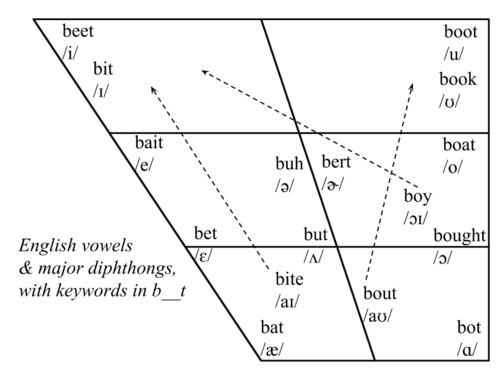 These factors define the vowel space, often visualized using a vowel trapezium, where vowels are mapped based on their tongue and lip configurations.
Acoustic Properties of Vowels
Vowels are defined acoustically by formant frequencies (F1, F2, F3), which are resonances of the vocal tract that shape the quality of a vowel:
- F1 (First Formant): Primarily controlled by tongue height. Higher tongue position lowers F1, while a more open jaw raises F1.
- F2 (Second Formant): Influenced by tongue backness. Front vowels have a higher F2, while back vowels have a lower F2.
- F3 (Third Formant): Less influential in vowel identity but contributes to vocal brightness and speaker distinctiveness.
For example, the vowel /i/ ("beet") has a low F1 (closed mouth) and a high F2 (tongue forward), while /ɑ/ ("father") has a high F1 (open mouth) and a low F2 (tongue back).
Nasal Vowels
Nasal vowels are a type of vowel sound produced with airflow passing through both the oral and nasal cavities. This occurs when the velum (the soft part of the roof of the mouth) is lowered, allowing air to escape through the nose. Nasal vowels are distinct from oral vowels, where the airflow is restricted to the mouth only.
Characteristics of Nasal Vowels
- Airflow through the nasal cavity: Unlike oral vowels, nasal vowels involve resonance in both the mouth and nose.
- Velum position: The velum is lowered, creating a nasalized quality to the vowel sound.
- Common in languages like French and Portuguese: While English typically lacks fully nasal vowels, it has nasalized vowels in certain contexts (e.g., "can" in casual speech).
Nasal Vowel Chart
| Nasal Vowel | IPA Symbol | Tongue Position | Example Language | Example Word |
|---|---|---|---|---|
| Nasal Close Front Unrounded | [ĩ] | High Front | Portuguese | sim ("yes") |
| Nasal Close Front Rounded | [ŷ] | High Front | French | lune ("moon") in some dialects |
| Nasal Close-Mid Front Unrounded | [ẽ] | Mid Front | French | pain ("bread") |
| Nasal Close-Mid Front Rounded | [ø̃] | Mid Front | French | un bon vin blanc ("a good white wine") |
| Nasal Open-Mid Front Unrounded | [ɛ̃] | Low Mid Front | French | vin ("wine") |
| Nasal Open-Mid Back Rounded | [ɔ̃] | Low Mid Back | French | nom ("name") |
| Nasal Open Back Unrounded | [ɑ̃] | Low Back | French | sans ("without") |
| Nasal Close Back Rounded | [ũ] | High Back | Portuguese | mundo ("world") |
Visualizing Nasal Vowel Placement
The positioning of nasal vowels can be understood in terms of two main dimensions:
- Front to Back: This refers to the tongue’s horizontal position in the mouth. Front vowels like [ĩ] are produced with the tongue positioned forward, while back vowels like [ũ] are produced with the tongue retracted.
- Top to Bottom: This refers to the tongue’s height. High vowels like [ĩ] and [ũ] are produced with the tongue close to the roof of the mouth, while low vowels like [ɑ̃] involve a lowered tongue position.
Acoustic Properties of Nasalization
- Lower formant frequencies (F1 & F2 shifts): Due to the addition of nasal resonance, formant frequencies tend to be slightly lower than their oral counterparts.
- Damping effect: Nasalization introduces additional anti-resonances, reducing the amplitude of certain frequencies.
Examples in Language
Nasal vowels are prominent in several languages:
- French: Distinguishes nasal vowels as phonemes (e.g., pain [pɛ̃] "bread" vs. peine [pɛn] "sorrow").
- Portuguese: Contains nasalized counterparts to many vowels (e.g., mundo [ˈmũdu] "world").
- Hindi & Bengali: Feature nasalization as a phonemic contrast.
Understanding nasal vowels is crucial for phonetic studies, speech synthesis, and language learning. Would you like to add interactive audio examples to this module?
Vowel Modification in Singing
As pitch rises in singing, vowels must be modified to maintain resonance and clarity. This phenomenon, known as vowel tuning, occurs because formant frequencies do not automatically adjust to match higher harmonics. Singers modify vowels by:
- Slightly adjusting tongue position to align formants with harmonics.
- Reducing excessive jaw opening on high notes to avoid shifting F1 too high.
- Using rounded lip adjustments to stabilize resonance.
Vowel Categorization and Examples
Vowels can be categorized based on their placement within the vowel trapezoid:
| Vowel | Example Word | Tongue Height | Tongue Backness | Lip Rounding |
|---|---|---|---|---|
| /i/ | "beet" | High | Front | Unrounded |
| /ɪ/ | "bit" | Near-High | Front | Unrounded |
| /e/ | "bait" | Mid | Front | Unrounded |
| /ɛ/ | "bet" | Mid-Low | Front | Unrounded |
| /ɑ/ | "father" | Low | Back | Unrounded |
| /ɔ/ | "bought" | Mid-Low | Back | Rounded |
| /u/ | "boot" | High | Back | Rounded |
Vowel Resonance Strategies for Singers
To maximize resonance and projection, singers employ vowel modification techniques, such as:
- Tuning Formants: Aligning F1 and F2 with harmonics to enhance resonance.
- Open vs. Closed Vowels: Using more open vowels for powerful singing and closed vowels for agility.
- Mixing Vowel Qualities: Adjusting vowels slightly toward a neutral shape in extreme pitch ranges.
Summary
Vowels play a critical role in singing, affecting tone, resonance, and intelligibility. By understanding vowel articulation, acoustic properties, and vowel modification techniques, singers can refine their phonation and achieve greater vocal control across different styles and pitch ranges.
Consonants
Consonants play a crucial role in speech intelligibility and lyric clarity in singing. Unlike vowels, which are formed with an open vocal tract, consonants involve varying degrees of obstruction or constriction using the tongue, lips, teeth, and soft palate. While vowels contribute to resonance and vocal timbre, consonants define rhythmic precision, diction, and articulation in singing.
Voiced vs. Unvoiced Consonants
Consonants are classified into voiced and unvoiced categories based on vocal fold vibration:
- 🔹 Voiced Consonants: Produced with vocal cord vibration. Examples: /b/ ("bat"), /d/ ("dog"), /g/ ("go").
- 🔹 Unvoiced Consonants: Produced without vocal cord vibration, relying solely on airflow. Examples: /p/ ("pat"), /t/ ("top"), /k/ ("cat").
In singing, voiced consonants blend smoothly with vowels, while unvoiced consonants add crispness and articulation to lyrics. Maintaining balance between both types ensures clarity without interrupting vocal flow.
Articulation in Singing
Articulation refers to how consonants and vowels are shaped by different parts of the vocal tract. Mastering articulation allows singers to maintain clear diction without excessive muscular tension. Consonants are categorized by their place of articulation (where the airflow is obstructed) and their manner of articulation (how the airflow is modified).
📍 Place of Articulation (Where in the Vocal Tract Consonants Are Produced)
- 🔹 Bilabial (/b/, /p/, /m/): Formed using both lips.
- 🔹 Labiodental (/f/, /v/): Formed with the lower lip against the upper teeth.
- 🔹 Dental (/θ/, /ð/ as in "think" and "this"): Produced with the tongue against the teeth.
- 🔹 Alveolar (/t/, /d/, /s/, /z/, /n/): Produced at the ridge behind the upper teeth.
- 🔹 Palatal (/ʃ/, /ʒ/ as in "she" and "measure"): Produced near the hard palate.
- 🔹 Velar (/k/, /g/, /ŋ/ as in "sing"): Formed near the soft palate.
- 🔹 Glottal (/h/): Created by airflow through the open glottis.
🌀 Manner of Articulation (How Airflow Is Modified)
- 🔹 Stops (Plosives) (/p/, /b/, /t/, /d/, /k/, /g/): Airflow is completely blocked before being released.
- 🔹 Fricatives (/f/, /v/, /s/, /z/, /ʃ/, /ʒ/): Air is forced through a narrow passage, creating friction.
- 🔹 Affricates (/tʃ/, /dʒ/ as in "church" and "judge"): A stop followed by a fricative.
- 🔹 Nasals (/m/, /n/, /ŋ/): Air flows through the nose while the mouth is blocked.
- 🔹 Approximants (/l/, /r/, /w/, /j/ as in "yes"): Consonants produced with minimal constriction.
Consonants and Singing Technique
While consonants are essential for clarity and intelligibility, they must be balanced with airflow and resonance in singing. Overly harsh articulation can disrupt vocal efficiency, while weak articulation can make lyrics unintelligible.
🎤 Techniques for Optimizing Consonant Clarity
- ✅ Light, crisp articulation: Overly harsh consonants (especially plosives) can add tension; a lighter approach prevents vocal strain.
- ✅ Linking consonants to vowels: Consonants should flow seamlessly into vowels without sudden breaks.
- ✅ Avoiding excessive jaw tension: Hard articulation can interfere with resonance—aim for a relaxed but clear enunciation.
- ✅ Strengthening voiced consonants: Voiced consonants should be supported with breath to maintain vocal flow.
Summary
Consonants shape lyric clarity, rhythm, and articulation in singing. By mastering voiced and unvoiced distinctions, place and manner of articulation, and optimizing consonant-vowel transitions, singers can achieve precise enunciation while maintaining vocal efficiency.
What Happens at Higher Pitches?
As pitch increases, the way the vocal tract interacts with harmonics changes, influencing vowel clarity, resonance tuning, and vocal efficiency. The main challenges singers face at higher frequencies involve harmonic spacing, formant alignment, and vowel modification.
Harmonic Spacing and Vocal Tract Interaction
At lower pitches, harmonics are closely spaced, meaning multiple harmonics fall within the natural resonance peaks (formants) of the vocal tract. This allows vowels to be clearly distinguished, as their formant structures align well with available harmonics.
However, as pitch increases:
- 🔹 Harmonics become more widely spaced, reducing the number of harmonics available to reinforce vowel identity.
- 🔹 The fundamental frequency (F0) may rise above F1, causing the first formant to lose its anchoring role in defining the vowel.
- 🔹 Certain harmonics may completely "miss" a formant, making the vowel sound less distinct or causing it to drift toward a neutral schwa-like sound (/ə/).
Formant-Harmonic Alignment (Tuning for Resonance)
Singers unconsciously adjust their vocal tract shape to maintain resonance as pitch increases. This technique, known as formant tuning, involves:
- ✅ Raising or lowering the tongue to subtly shift formant frequencies to align with available harmonics.
- ✅ Adjusting jaw opening to keep F1 in a usable range (not too high or too low).
- ✅ Rounding or spreading the lips to modify F2, which helps stabilize resonance.
Without these adjustments, vowels may become unstable or unclear, making it difficult for a singer to maintain clarity at high pitches.
Vowel Blending and Neutralization
Since formant structure is harder to maintain at high frequencies, vowels tend to blend toward a more neutral shape. This is particularly noticeable in classical singing, where singers modify their vowels to prioritize resonance over linguistic clarity.
🔹 Examples of Vowel Modifications at High Pitches (Using Words Beginning with "B"):
- /i/ ("beet") → shifts toward /ɪ/ ("bit") or /ɨ/ ("bɨt") to reduce tension and align F2 more efficiently.
- /e/ ("bait") → shifts toward /ɛ/ ("bet") to avoid excessive brightness while maintaining projection.
- /æ/ ("bat") → shifts toward /ɑ/ ("bot") to maintain warmth and stability in high frequencies.
- /u/ ("boot") → shifts toward /ʊ/ ("book") to prevent excessive lip rounding from distorting resonance.
- /o/ ("boat") → shifts toward /ɔ/ ("bought") for smoother vowel transition and reduced strain.
These subtle adjustments allow singers to maintain vocal efficiency and projection even when vowel distinctions become less pronounced.
Practical Strategies for Singers
To maintain clarity and resonance at higher pitches, singers should focus on:
- ✅ Using vowel modification techniques to shift formants into an optimal range.
- ✅ Maintaining an open throat (lowered larynx when needed) to enhance resonance.
- ✅ Engaging proper breath support to avoid tension from compensatory constriction.
- ✅ Practicing with spectrographic analysis (if available) to visualize how vowels shift at different pitches.
Vocal Pedagogy – Learning and Teaching
Vocal pedagogy is the study and practice of teaching voice, encompassing various methodologies that have evolved over centuries. Different schools of thought emphasize distinct aspects of vocal production, including resonance, breath control, registration, and stylistic interpretation. Below is an overview of major pedagogical traditions:
Historical Schools of Vocal Pedagogy
- Bel Canto (Italian School): Originating in the 17th-19th centuries, the bel canto (beautiful singing) tradition focuses on agility, purity of tone, legato phrasing, and even vocal registers. It emphasizes minimal tension, a balanced onset of phonation, and chiaroscuro (light-dark) tonal balance. Famous bel canto teachers include Manuel García II and Lamperti.
- German School: The German approach, influenced by Wagnerian opera, favors a robust, dramatic sound suited for larger halls. It emphasizes appoggio (supported breathing) but with greater focus on vocal weight and darker resonance. This tradition also integrates sprechgesang (speech-like singing), particularly in later operatic styles.
- French School: Characterized by clarity of diction, forward placement, and flexibility, the French vocal tradition often produces a lighter, more nasalized tone. It plays a significant role in mélodie (French art song) and French opera.
- English Choral Tradition: Rooted in Renaissance and Baroque choral music, this tradition emphasizes blend, straight-tone singing, and clear diction. Unlike the operatic schools, vibrato is often minimized for ensemble clarity.
Modern Vocal Pedagogy Approaches
- Speech-Level Singing (SLS): Developed by Seth Riggs, SLS emphasizes balanced vocal cord function, eliminating excessive tension and promoting seamless transitions between registers. It is popular in contemporary and commercial music.
- Complete Vocal Technique (CVT): Developed by Cathrine Sadolin, CVT categorizes vocal sounds into neutral, curbing, overdrive, and edge, offering a structured approach for singers to achieve different vocal qualities safely.
- Estill Voice Training (EVT): Founded by Jo Estill, EVT focuses on isolating individual vocal structures (larynx, tongue, false vocal folds, etc.) for conscious control over different vocal qualities and effects.
- HVT (Habilitative Voice Training): A science-based approach that integrates principles of exercise physiology, vocal rehabilitation, and sustainable voice use. It is often used in both artistic and therapeutic settings.
- Somatic Voicework (LoVetri Method): A functional approach that emphasizes healthy vocal production across all genres, particularly contemporary music styles.
Hybrid Vocal Technique (HVT) – Eli Prinsen
Hybrid Vocal Technique (HVT), developed by Eli Prinsen, combines elements of classical and modern vocal training to develop power, range, and endurance across multiple styles, particularly rock and metal vocals. HVT emphasizes:
- Controlled Distortion: Safely incorporating grit, distortion, and other aggressive vocal effects without causing strain or damage.
- Strength-Based Training: Building vocal stamina and resistance to fatigue through targeted exercises.
- Balanced Coordination: Developing smooth register transitions and maintaining a stable vocal mechanism across all pitch levels.
- Versatility: Training singers to move seamlessly between clean, distorted, and high-intensity vocal styles.
HVT is widely adopted by singers who require both technical control and the ability to perform in extreme vocal styles without sacrificing vocal health.
Scientific and Functional Pedagogies
- Vocal Function Exercises (VFE): Developed by Dr. Joseph Stemple, this approach uses semi-occluded vocal tract exercises (such as lip trills and straw phonation) to strengthen and balance the voice.
- Alexander Technique: A method for improving body alignment and reducing tension to enhance vocal efficiency.
- Resonant Voice Therapy: Developed for both singers and those with vocal pathologies, this technique focuses on forward resonance to promote ease and vocal health.
Each of these pedagogical traditions offers unique tools for developing vocal technique. Classical methodologies focus on resonance and breath support for sustained singing, while modern approaches integrate scientific research to optimize vocal efficiency across diverse musical genres. Understanding these distinctions allows singers to select techniques suited to their vocal goals and stylistic preferences.
What Vocal Freedom Adds
Vocal Freedom is a groundbreaking approach that moves vocal pedagogy forward by integrating real-time pitch and harmonic analysis, interactive training tools, and customized vocal development strategies based on individual vocal needs. It bridges the gap between traditional vocal training and modern technology, providing singers with immediate feedback, scientific precision, and the ability to refine their technique with unprecedented accuracy.
Advancing Vocal Pedagogy Through Technology
Unlike traditional methods that rely solely on auditory feedback and instructor guidance, Vocal Freedom incorporates:
- Real-Time Pitch and Harmonic Analysis: Singers receive visual feedback on their pitch accuracy, harmonic structure, and resonance, enabling them to make precise adjustments in real time.
- Formant and Resonance Tracking: Vocal Freedom provides a detailed breakdown of vocal resonance patterns, allowing singers to optimize vowel tuning, register transitions, and timbre adjustments.
- Dynamic Feedback for Register Balance: By analyzing harmonic interactions across chest, mix, and head voice, Vocal Freedom helps singers develop seamless register transitions and eliminate vocal strain.
- Personalized Training Routines: Using data-driven analysis, the system generates customized exercises tailored to the singer’s vocal tendencies, ensuring rapid and sustainable progress.
Bridging Classical and Contemporary Techniques
Vocal Freedom unites the precision of classical methods with the flexibility required for modern vocal styles. It enhances:
- Bel Canto and Classical Training: By refining breath management, appoggio support, and resonance tuning through real-time feedback, Vocal Freedom helps classical singers achieve the purity and control characteristic of bel canto.
- Hybrid and Extreme Vocal Techniques: For rock, metal, and contemporary singers, Vocal Freedom provides safe strategies for incorporating distortion, grit, and belting while maintaining vocal health.
- Speech-Level Singing and Contemporary Methods: The platform fine-tunes vocal cord coordination to improve mix voice and ensure smooth transitions across all registers.
Scientific Validation and Vocal Health
Vocal Freedom integrates scientific research in voice function to ensure efficient and healthy vocal production. Key features include:
- Vocal Fatigue Detection: Advanced tracking detects early signs of vocal fatigue, helping singers prevent strain and injury.
- Resonant Voice Therapy Integration: Exercises based on semi-occluded vocal tract techniques (such as straw phonation) are included to maximize vocal efficiency and reduce tension.
- Real-Time Progress Tracking: Singers can monitor their development over time, identifying strengths and areas needing improvement.
Revolutionizing Vocal Training Accessibility
By eliminating the barriers of traditional vocal instruction, Vocal Freedom makes high-quality training available to anyone, anywhere. It supports:
- Self-Guided Learning: Singers can train at their own pace with instant, data-driven feedback.
- Remote Coaching Integration: Vocal instructors can use Vocal Freedom to analyze students’ progress and provide targeted guidance.
- Cross-Genre Application: Whether for opera, rock, gospel, or contemporary pop, Vocal Freedom adapts to each singer’s unique needs and artistic goals.
By merging the best of historical pedagogy, modern scientific advancements, and cutting-edge technology, Vocal Freedom is reshaping vocal training for the 21st century. It empowers singers to take control of their vocal development with unparalleled precision, fostering healthier, stronger, and more versatile voices.
Foundations
A Brief History of Singing
Singing is older than written history. Long before people could describe the voice scientifically, they used it to tell stories, worship, celebrate, mourn, teach, work, entertain, and preserve cultural memory. The techniques we now call vocal training grew gradually from those human uses of the voice.
In This Lesson
The Ancient World
 We cannot know exactly how the earliest singers sounded. Singing
existed for thousands of years before notation or recording, and
surviving written descriptions tell us much more about the place of
music in society than about the precise vocal techniques performers
used.
We cannot know exactly how the earliest singers sounded. Singing
existed for thousands of years before notation or recording, and
surviving written descriptions tell us much more about the place of
music in society than about the precise vocal techniques performers
used.
We do know that singing occupied an important place in many ancient cultures. Songs accompanied ritual, storytelling, poetry, work, celebration, mourning, warfare, and communal identity.
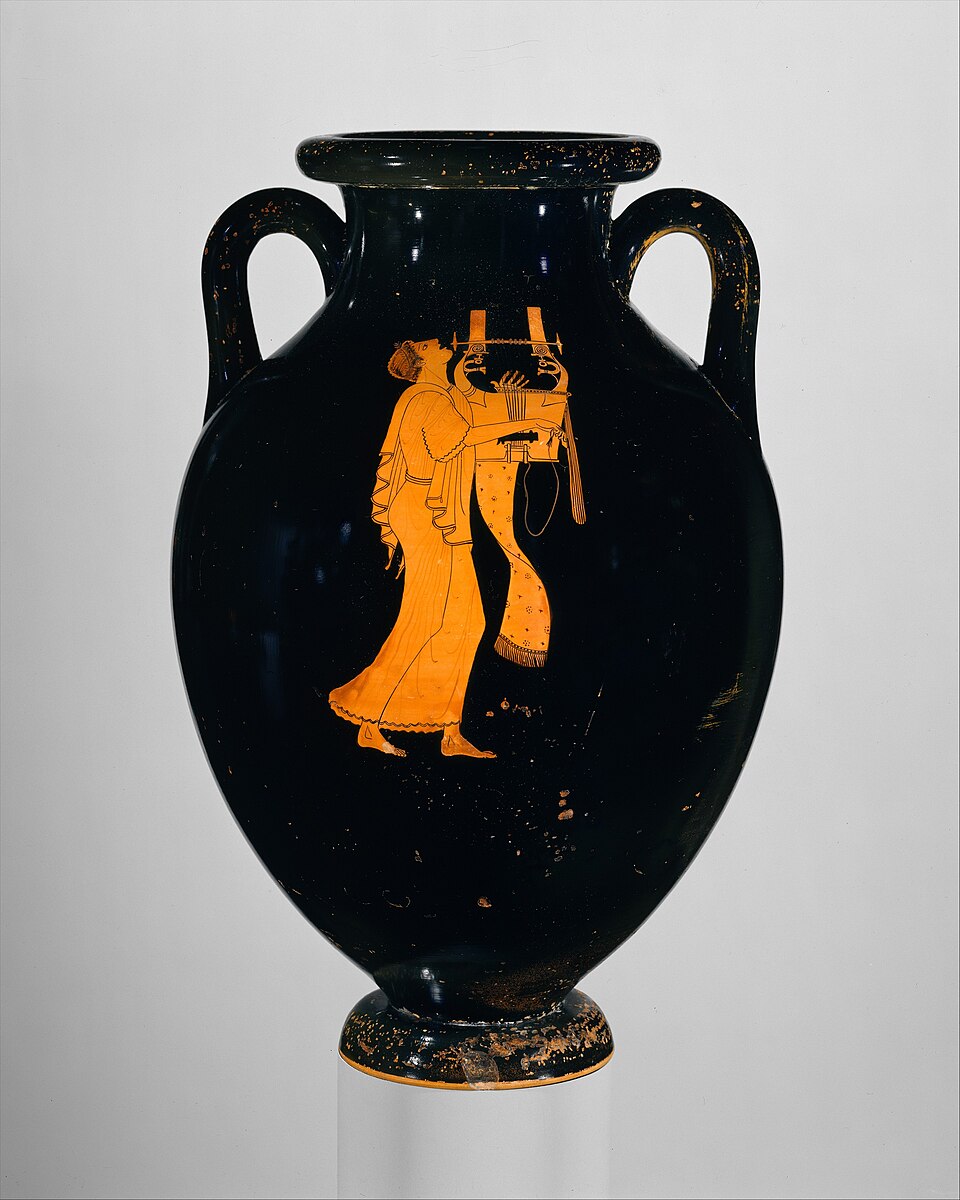
In ancient Greece, poetry and music were closely connected. Instruments such as the lyre and kithara accompanied sung poetry, while theatrical performance joined speech, song, movement, and drama. Greek writers also discussed music as something capable of influencing character and emotion.
The important lesson for modern singers is that the voice did not begin as a specialized concert instrument. Singing began as part of human communication and community.
Sacred and Court Traditions
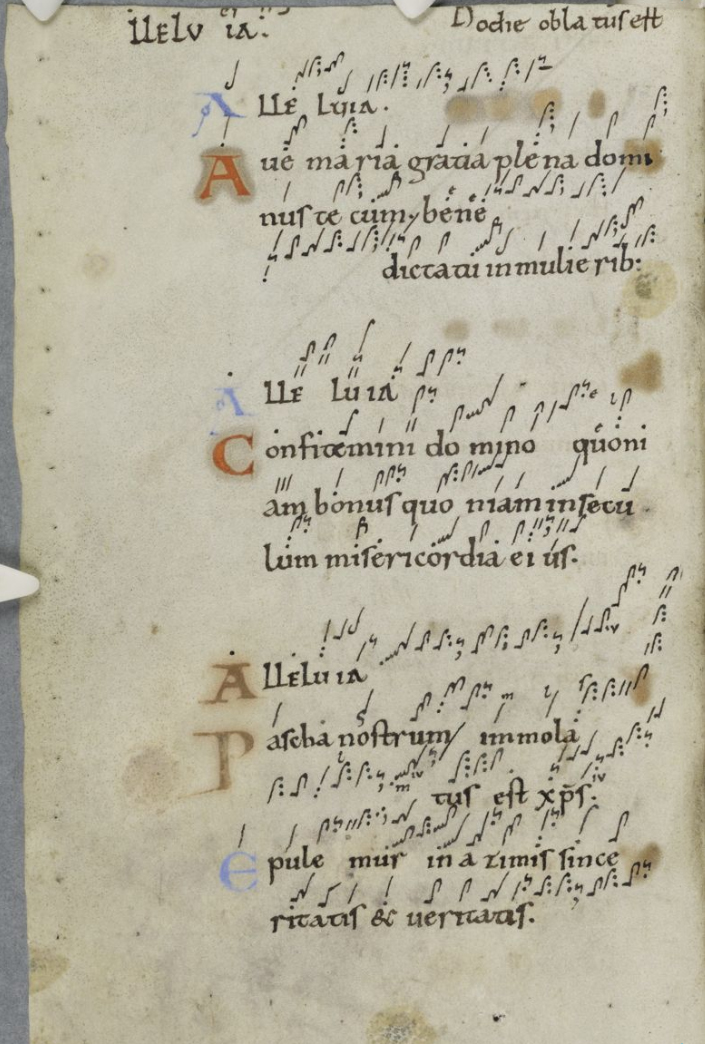 As systems of musical notation developed, more information about
historical singing became recoverable. Medieval manuscripts preserve
traditions of liturgical chant and eventually increasingly detailed
indications of pitch and musical organization.
As systems of musical notation developed, more information about
historical singing became recoverable. Medieval manuscripts preserve
traditions of liturgical chant and eventually increasingly detailed
indications of pitch and musical organization.
The Winchester Troper, produced around the turn of the second millennium, is among the important surviving witnesses to early European polyphonic practice. Documents such as these allow historians to trace the gradual development of written vocal music.
Churches, monasteries, royal courts, and other institutions became important centers for organized musical training. Singers learned repertoire, musical memory, pronunciation, ensemble coordination, ornamentation, and stylistic traditions from other singers.
Much of this knowledge was transmitted directly from teacher to student. That principle remains central to vocal pedagogy today: written explanations can preserve ideas, but singing itself is a physical and auditory skill learned through experience.
Opera and Bel Canto
 The development of opera in Italy around the beginning of the
seventeenth century created new demands on singers. The voice had to
carry dramatic text, sustained melody, ornamentation, and emotional
expression across increasingly sophisticated theatrical music.
The development of opera in Italy around the beginning of the
seventeenth century created new demands on singers. The voice had to
carry dramatic text, sustained melody, ornamentation, and emotional
expression across increasingly sophisticated theatrical music.
Over succeeding generations, Italian singing traditions developed into what later came to be associated with bel canto—literally “beautiful singing.”
Historical descriptions emphasize qualities such as evenness of tone, flexibility, legato, control of breath, clear vowels, expressive phrasing, agility, and the ability to move throughout the range without obvious disruption.
Teachers including members of the García, Lamperti, and Marchesi traditions attempted to describe and transmit the coordination required by professional singers. Their terminology was not always standardized, and historical instructions should not automatically be treated as modern scientific descriptions. Nevertheless, these traditions preserve generations of practical observation about the trained singing voice.
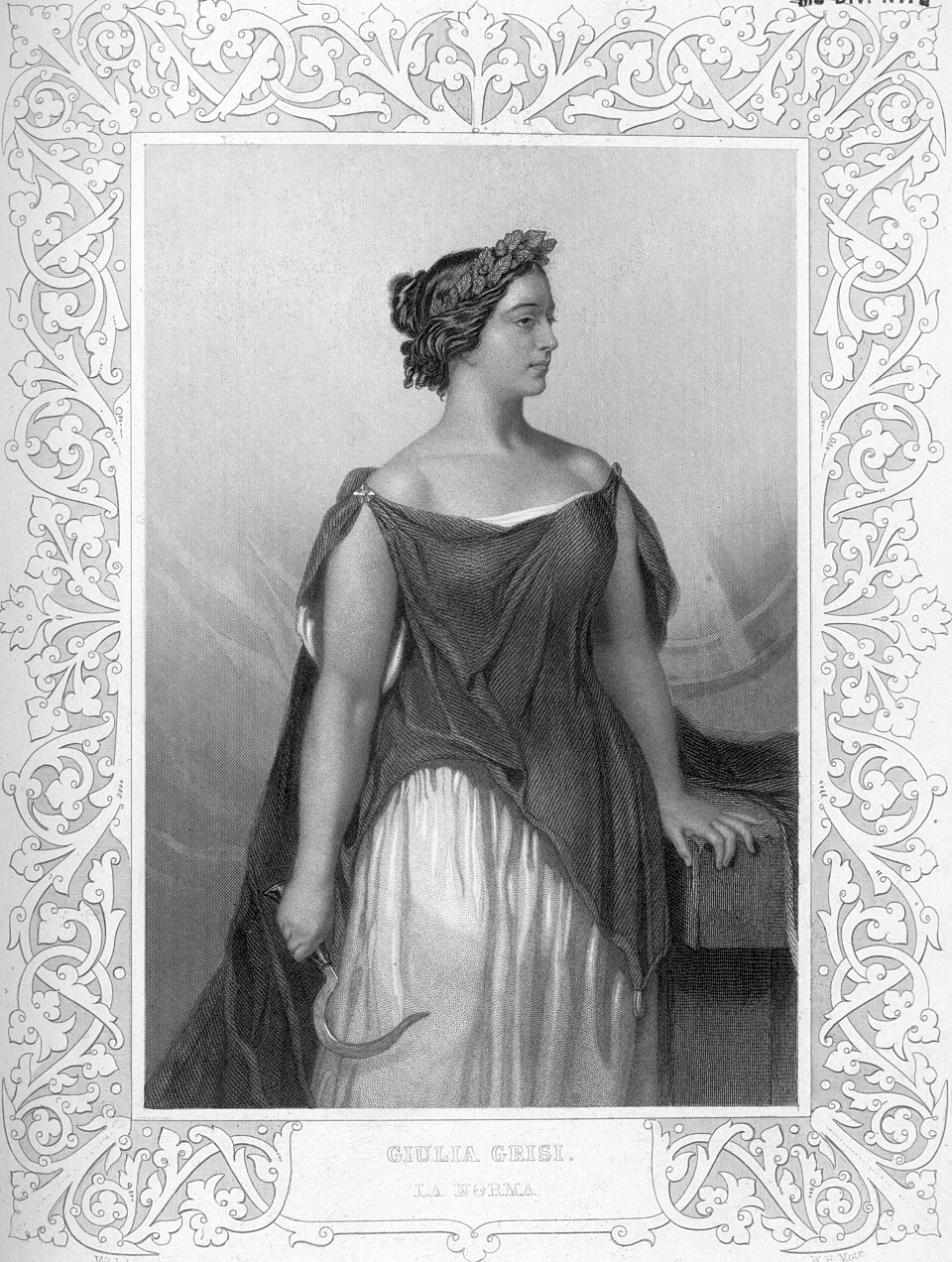
Singers such as Giulia Grisi became internationally celebrated in an era when a great operatic voice had to communicate in a theater without electronic amplification. Projection, resonance, musical phrasing, diction, and dramatic communication therefore developed together as parts of the singer's craft.
The Concert Stage
During the eighteenth and nineteenth centuries, public concert life expanded alongside opera, church music, domestic music making, and song traditions. Singers increasingly worked in concert halls as well as theaters.
Art-song traditions placed different demands on the voice. A singer performing a Lied, mélodie, or other intimate song repertoire might use subtler changes of color, diction, dynamics, and phrasing than would be practical in a large operatic scene.
At the same time, orchestras and performance spaces grew. Operatic singers faced the acoustic challenge of communicating over larger instrumental forces without microphones.
There was never one universal historical vocal technique. Different languages, venues, musical styles, voice types, and performance traditions encouraged different solutions.
Recording and the Microphone
 Recording technology changed singing profoundly. For the first time,
performances could survive the performer and be heard repeatedly by
listeners who had never occupied the same room.
Recording technology changed singing profoundly. For the first time,
performances could survive the performer and be heard repeatedly by
listeners who had never occupied the same room.
Early acoustic recording imposed severe limitations on singers and musicians. Electrical recording and the development of practical microphones during the twentieth century transformed those limitations.
A microphone allowed an intimate voice to reach a large audience. Singers no longer always needed to create enough acoustic energy to fill a theater unaided. Small changes of breath, consonants, vocal color, and dynamics could become important expressive details.
This helped foster microphone-centered styles of singing, including crooning and many later popular traditions. Radio, records, film, magnetic tape, amplification, and eventually digital recording each changed what singers could do and what audiences expected to hear.
The microphone did not make vocal technique irrelevant. It changed the acoustic problem the singer was solving.
Contemporary Singing
Today's singer inherits an extraordinary mixture of traditions. Classical singing, musical theater, jazz, blues, gospel, country, rock, pop, folk traditions, metal, R&B, hip-hop, electronic music, and countless regional traditions use the human voice in different ways.
Modern singers also work with technologies that earlier generations could not have imagined. Microphones, monitors, equalization, compression, effects, pitch processing, multitrack recording, spectral analysis, and digital communication all participate in contemporary vocal performance.
Consequently, there is no single sound that can reasonably be called the “correct” singing voice. A coordination appropriate for one musical task may be inappropriate for another.
What remains constant is the instrument itself: a human respiratory system, vibrating vocal folds, a changing vocal tract, an auditory system, a nervous system, and a person trying to communicate something through sound.
What History Teaches Singers
Vocal history is useful not because the past supplies one perfect method, but because it shows singers how adaptable the human voice has always been.
Different generations developed techniques in response to different musical environments. A singer in an ancient ceremony, a medieval chapel, an Italian opera house, a nineteenth-century concert hall, a 1930s radio studio, and a modern recording booth faced very different acoustic and artistic problems.
Vocal pedagogy should therefore distinguish enduring principles of human voice production from the stylistic choices made with that instrument.
Vocal Freedom approaches this history with the same principle used throughout the platform: understand what the voice is doing, understand what the musical task requires, and give the singer enough awareness and control to make an informed artistic choice.
Foundations
Voice Science
Voice science studies how breathing, vocal-fold vibration, vocal-tract resonance, articulation, hearing, perception, motor learning, and health interact to produce the human voice. It draws from acoustics, physics, anatomy, physiology, medicine, speech science, psychology, engineering, music, and vocal pedagogy.
In This Lesson
What Voice Science Studies
A sung note is not created by one structure acting alone. Air pressure from the respiratory system helps initiate and sustain vocal-fold vibration. That vibration supplies an acoustic source containing a fundamental frequency and harmonics. The throat, mouth, and sometimes the nasal passages filter that source. The brain continually coordinates movement with hearing and physical sensation, while the listener interprets the resulting sound as pitch, vowel, timbre, loudness, style, language, and emotion.
Voice scientists therefore study both components and interactions. A useful measurement may describe airflow, pressure, tissue motion, spectral energy, resonance, vocal dose, or listener perception, but no single measurement is a complete description of a singer.
Observation and Acoustic Foundations
Manuel García II (1805–1906)
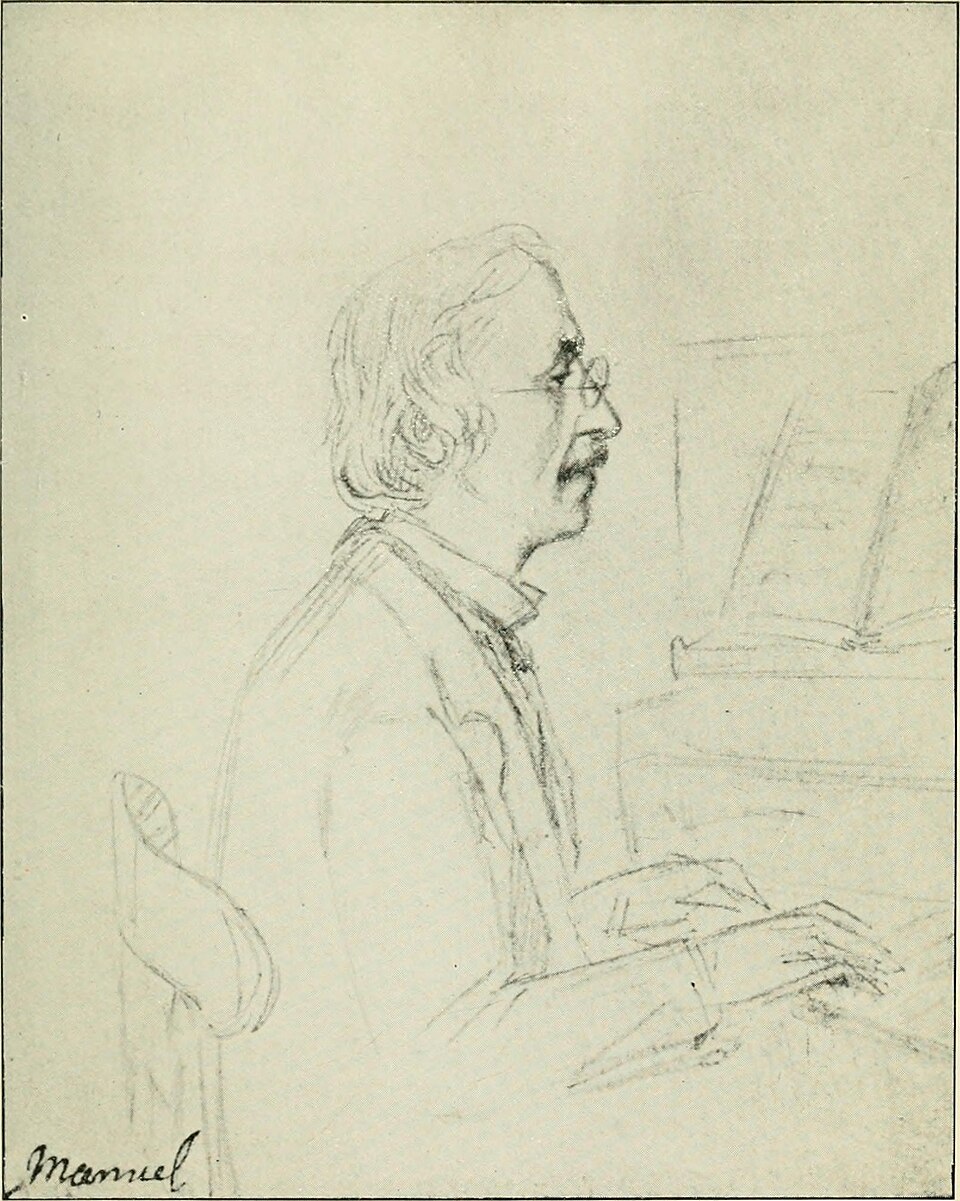 García was a singer, teacher, and unusually careful observer of vocal
production. In 1854 he used a small dental mirror and reflected sunlight to
observe his own larynx during phonation. His subsequent report to the Royal
Society helped establish practical laryngoscopy and connected vocal pedagogy
with direct observation of the living vocal folds. His terminology belongs to
his era, but his insistence on examining function rather than relying only on
metaphor was a decisive step toward modern voice science.
García was a singer, teacher, and unusually careful observer of vocal
production. In 1854 he used a small dental mirror and reflected sunlight to
observe his own larynx during phonation. His subsequent report to the Royal
Society helped establish practical laryngoscopy and connected vocal pedagogy
with direct observation of the living vocal folds. His terminology belongs to
his era, but his insistence on examining function rather than relying only on
metaphor was a decisive step toward modern voice science.
Hermann von Helmholtz (1821–1894)
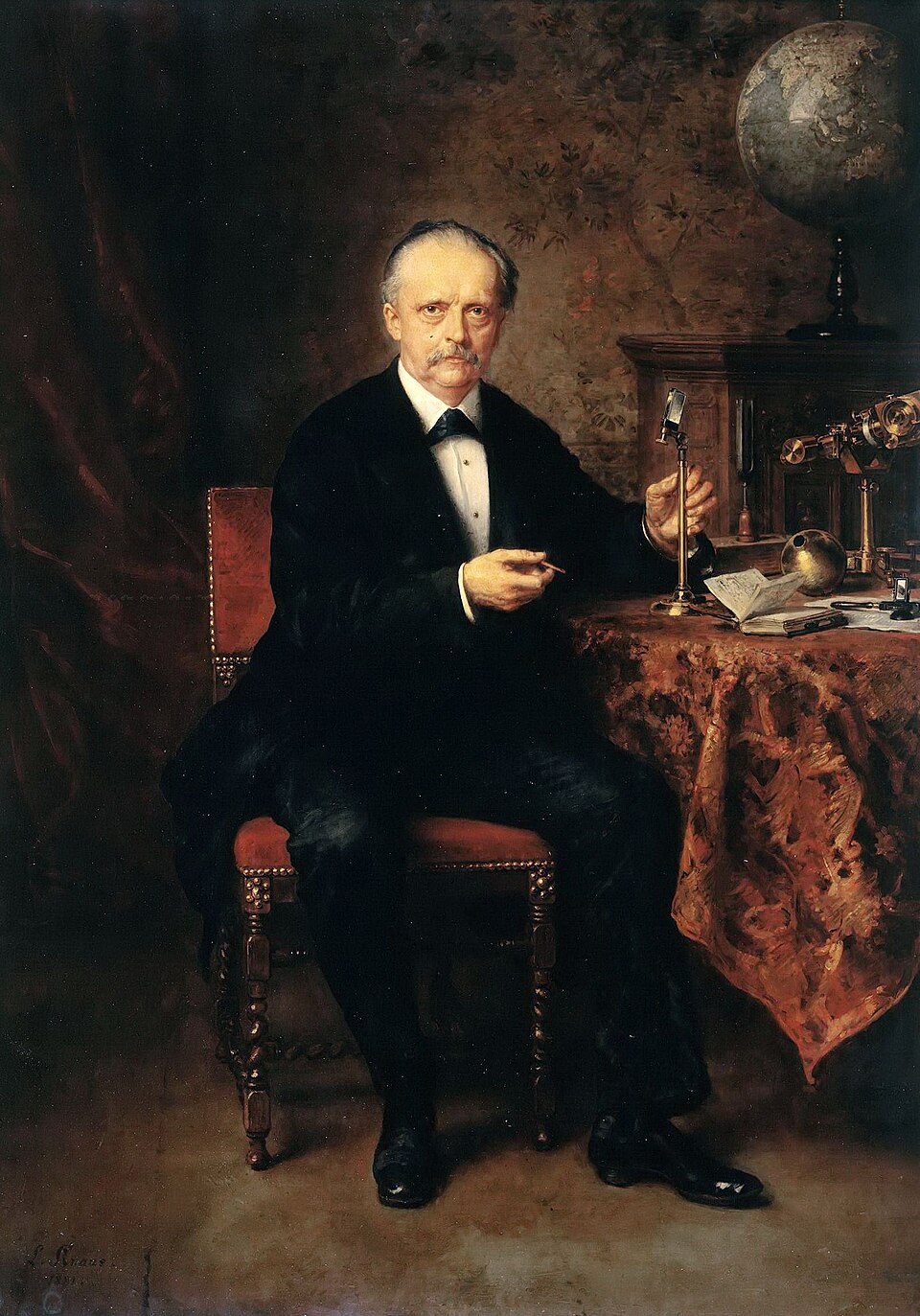 Helmholtz investigated hearing, resonance, musical tones, and the harmonic
content of complex sounds. His resonators helped isolate frequency regions so
that researchers could relate physical vibration to auditory perception. His
work gave later researchers a stronger physical vocabulary for discussing
harmonics, resonances, timbre, and vowel quality.
Helmholtz investigated hearing, resonance, musical tones, and the harmonic
content of complex sounds. His resonators helped isolate frequency regions so
that researchers could relate physical vibration to auditory perception. His
work gave later researchers a stronger physical vocabulary for discussing
harmonics, resonances, timbre, and vowel quality.
Lord Rayleigh — John William Strutt (1842–1919)
Rayleigh's theoretical and experimental work in acoustics helped formalize the behavior of waves, resonators, vibrating systems, and sound radiation. His work was broader than voice, but the acoustic principles he developed remain part of the mathematical foundation used to analyze speech and singing.
Models of Voice Production
Janwillem van den Berg (1920–1985)
Van den Berg is strongly associated with the myoelastic-aerodynamic theory of phonation. The theory explains sustained vocal-fold oscillation through the interaction of tissue elasticity, muscular positioning, airflow, and pressure rather than treating each vibration as a separately commanded muscular action.
Gunnar Fant (1919–2009)
Fant's acoustic theory of speech production gave rigorous form to the source-filter model. In its simplest form, vocal-fold vibration supplies the source and the vocal tract supplies a filter whose resonances shape the spectrum. Source and filter can interact, especially in singing, but the model remains one of the most useful starting points for understanding vowels, formants, and timbre.
Kenneth N. Stevens (1924–2013)
Stevens made foundational contributions to acoustic phonetics and models of speech production and perception. His work connected vocal-tract configuration with measurable acoustic consequences and helped establish the analytical framework used in modern speech technology and laboratory phonetics.
Minoru Hirano (1932–2017)
Hirano described the layered microstructure of the vocal folds and developed the influential body-cover model. This model helps explain how different tissue layers and muscular adjustments contribute to vocal-fold vibration, register, and voice quality. It also influenced the clinical understanding of vocal-fold injury and surgery.
Science of the Singing Voice
Johan Sundberg (born 1936)
Sundberg's research brought acoustical measurement into sustained dialogue with singers and vocal pedagogy. His work has examined formants, breath and pressure, vibrato, articulation, choir singing, and the spectral clustering commonly called the singer's formant. He helped make the singing voice a central subject within music acoustics rather than merely an extension of ordinary speech research.
Ingo R. Titze
Titze has developed physical and computational models of vocal-fold vibration, nonlinear source-filter interaction, vocal registers, resonance strategies, vocal loading, and semi-occluded vocal-tract exercises. He also helped establish vocology as an interdisciplinary field concerned with the science and practice of voice habilitation.
Training, Therapy, and Motor Learning
Jo Estill (1921–2010)
Estill combined performance experience with systematic investigation of vocal tasks. Her work encouraged singers and teachers to separate controllable vocal structures and qualities for exploration. Some terminology and teaching claims remain subjects of discussion, but her work significantly influenced contemporary approaches to functional voice training.
Katherine Verdolini Abbott
Verdolini Abbott has contributed to voice therapy, resonant voice, hydration research, treatment outcomes, and the application of motor-learning principles to lasting behavioral change. Her work helps connect laboratory and clinical knowledge with the practical problem of how people actually acquire and retain healthier vocal coordination.
Measurement and Modern Research
Jan G. Švec
Švec has contributed to the study of vocal-fold vibration, videokymography, high-speed imaging, voice registers, and singing-voice physiology. Imaging methods associated with this line of research reveal patterns of tissue motion that ordinary video cannot resolve because vocal folds may vibrate hundreds of times per second.
Contemporary research is highly collaborative. Important work is being done by laryngologists, speech-language pathologists, physicists, engineers, neuroscientists, singing teachers, performers, and computer scientists around the world. Modern tools include high-speed imaging, electroglottography, airflow and pressure measurement, ultrasound, MRI, computational simulation, machine learning, spectral analysis, and carefully designed perceptual studies.
Voice Science and Vocal Freedom
Vocal Freedom uses voice-science concepts as an educational framework for displaying pitch, harmonics, spectral patterns, formant estimates, and changes over time. These displays are aids to observation and coaching. They are not a medical diagnosis, and a browser-based acoustic estimate should not be treated as a direct measurement of anatomy or tissue health.
A useful analysis should support listening rather than replace it. Measurements must be interpreted in context: microphone placement, room acoustics, background noise, pitch, vowel, loudness, style, and individual anatomy can all affect the display. Persistent pain, loss of voice, bleeding, breathing difficulty, or unexplained hoarseness belongs with an appropriately qualified medical professional—not an application dashboard.